

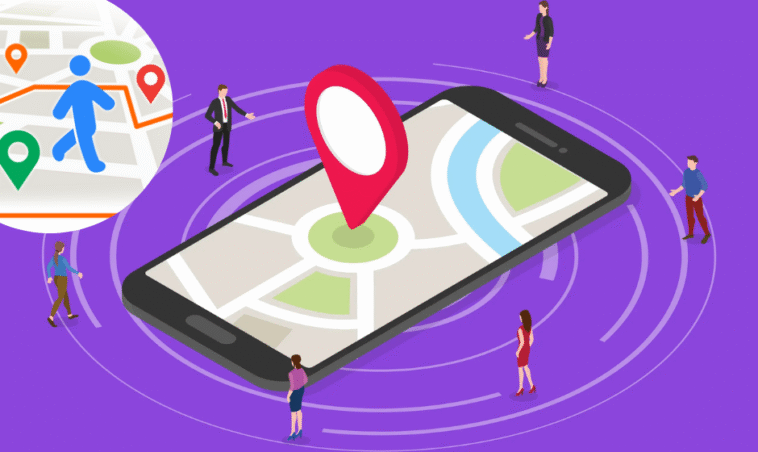
If you’ve ever received a push notification from a store the moment you walked nearby, you’ve already experienced the power behind the question many businesses are now asking: what is a geofence and how can it drive smarter marketing and operations?
built around a real-world location. When a smartphone, vehicle, or device enters or exits that area, a pre-defined action is triggered. This could be an app alert, an ad, a security notification, or data collection for business intelligence.
As competition increases and customers expect personalization, location awareness has become a strategic advantage. Understanding what is a geofence, how it works, and how companies apply it can help marketers, startups, logistics teams, retailers, and developers make more informed decisions.
In this guide, you’ll learn how geofence technology works, practical business applications, step-by-step implementation, advantages, limitations, real-world examples, and common pitfalls so you can evaluate whether geofencing fits your goals.
What Is a Geofence?
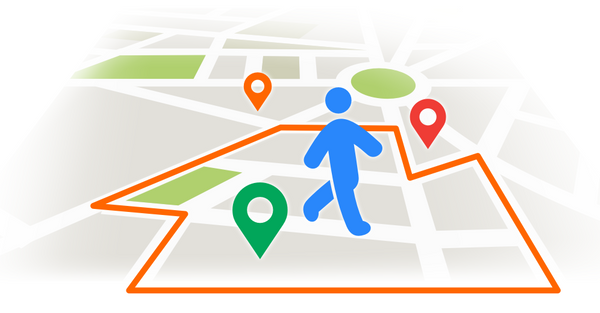
a physical location using GPS, Wi-Fi, cellular data, Bluetooth beacons, or RFID. When a device crosses this invisible boundary, the system automatically executes a predefined action.
To fully understand what is a geofence, think of it like a digital fence. Instead of stopping movement, it observes movement. The moment a device enters or leaves the area, software responds in real time.
Common triggers include:
- Sending a push notification
- Logging a time or location stamp
- Displaying a targeted ad
- Changing app behavior
- Alerting administrators
Unlike static location tracking, geofencing focuses on events—the exact moment a location condition is met.
How Geofence Technology Works
To understand what is a geofence in practical terms, it helps to break it into four working layers.
1. Boundary Creation
A geofence is drawn digitally on a map using coordinates and a radius. This can range from a few meters around a storefront to several kilometers around a city zone.
Businesses define:
- Shape (circle or polygon)
- Size (small indoor zone or wide regional area)
- Trigger type (entry, exit, or dwell time)
2. Location Detection
Devices determine their position using:
- GPS signals
- Wi-Fi networks
- Mobile towers
- Bluetooth beacons (for indoor precision)
This data is continuously or periodically checked against the geofence boundary.
3. Event Triggering
When the device crosses the virtual perimeter, the geofencing platform triggers the chosen rule.
For example:
“Send a discount message when a user enters the mall area.”
4. Action Execution
The system performs its assigned task such as:
- Delivering notifications
- Displaying mobile ads
- Updating CRM records
- Activating security protocols
This is the operational core behind what is a geofence in modern software ecosystems.
Types of Geofences
Different use cases require different approaches. Understanding these helps clarify what is a geofence beyond marketing alone.
GPS Geofencing
Uses satellite positioning for outdoor accuracy. Common in fleet tracking, delivery services, and outdoor advertising.
Wi-Fi Geofencing
Relies on local wireless networks. Works well in malls, airports, and office campuses.
Bluetooth Beacon Geofencing
Ideal for indoor spaces like retail aisles or museums. Offers high precision within small ranges.
Cellular Network Geofencing
Uses mobile towers for large zones such as city-wide alerts or regional campaigns.
Each form supports different business needs and performance expectations.
What Is Geofencing Marketing?
Geofencing marketing is the application of geofence technology to deliver location-based marketing messages. It allows brands to communicate with potential customers at the most relevant moment when they are physically near a specific place.
Instead of broad ads, businesses can serve hyper-targeted messages such as:
- Store entry promotions
- Event reminders
- Competitor-location ads
- Loyalty rewards
When people ask what is a geofence in digital marketing, they’re usually referring to this real-time relevance engine.
Key Business Applications of Geofencing
Understanding what is a geofence becomes more powerful when viewed through real business outcomes.
Retail and E-commerce
Retailers use geofences to attract nearby shoppers, reduce cart abandonment, and enhance loyalty programs.
Example:
A clothing brand triggers a personalized offer when a loyalty app user enters a mall.
Micro-case:
A mid-sized retailer saw a 19% increase in in-store visits after running geofencing advertising around competitor stores during weekends.
Restaurants and Hospitality
Restaurants use geofencing to capture high-intent customers nearby.
Applications include:
- Lunch-hour promotions
- Hotel guest services
- Airport food court targeting
Example:
A café sends a breakfast coupon between 7–10 a.m. to commuters passing within 200 meters.
Healthcare and Wellness
Hospitals and clinics use geofences for:
- Appointment reminders
- Staff access control
- Patient movement alerts
Geofencing improves compliance, safety, and communication efficiency.
Logistics and Fleet Management
In logistics, understanding what is a geofence goes beyond marketing.
Common uses:
- Automated arrival notifications
- Unauthorized route alerts
- Loading zone monitoring
Example:
When a delivery truck enters a warehouse geofence, inventory systems automatically prepare unloading schedules.
Real Estate and Construction
Geofences help monitor site access, equipment movement, and workforce safety.
Example:
Managers receive alerts if heavy machinery leaves an authorized zone after work hours.
Education and Smart Campuses
Universities use geofencing for:
- Attendance systems
- Emergency alerts
- Personalized campus services
How to Set Up a Geofence (Step-by-Step)
For businesses exploring what is a geofence in practice, here is a simplified implementation path.
Step 1: Define Your Objective
Clarify your goal:
- Increase foot traffic
- Improve security
- Track assets
- Enhance customer experience
Step 2: Choose Your Platform
Select a geofencing platform or SDK that supports:
- Device compatibility
- Data privacy controls
- Integration with your CRM or ad platform
Step 3: Design Your Virtual Boundary
Use mapping tools to create accurate zones. Avoid overly large areas that dilute relevance.
Step 4: Set Trigger Rules
Decide:
- Entry vs exit events
- Time-based conditions
- Frequency limits
Step 5: Build Your Action
This could be:
- A push notification
- An in-app change
- A system alert
- An ad campaign trigger
Step 6: Test and Optimize
Test in real-world conditions. Monitor accuracy, engagement, and conversion data.
This process transforms the theory of what is a geofence into measurable performance.
Advantages of Using Geofencing
Businesses adopt geofencing because it connects location, timing, and relevance.
Key benefits include:
- Higher engagement rates
- More precise targeting
- Reduced ad waste
- Real-time automation
- Better operational visibility
When used ethically and strategically, geofencing strengthens both marketing ROI and operational control.
Limitations and Risks to Consider
No technology is perfect. Understanding risks is part of responsibly answering what is a geofence.
Privacy and Compliance
Location data is sensitive. Must comply with data protection laws and obtain user consent.
Accuracy Variability
Urban density, weather, and device settings can affect precision.
Battery Consumption
Frequent location polling may impact device battery life.
Over-Messaging
Too many triggers can lead to notification fatigue and app uninstalls.
Responsible design ensures geofencing remains helpful rather than intrusive.
Best Practices for Effective Geofencing
To apply what is a geofence successfully:
- Keep zones tightly relevant
- Limit trigger frequency
- Deliver real value, not noise
- Be transparent about data usage
- Continuously test boundaries
- Integrate analytics dashboards
Small adjustments in radius or timing often produce significant performance changes.
Common Mistakes Businesses Make
Many companies fail to benefit from geofencing because of:
- Overly broad target areas
- Generic messaging
- Ignoring user context
- No performance benchmarks
- Poor privacy communication
Geofencing is not about tracking—it’s about timely usefulness.
Future of Geofencing Technology
As AI, IoT, and 5G expand, geofencing will evolve into adaptive, predictive systems.
Emerging trends include:
- AI-driven boundary optimization
- Wearable device integration
- Smart city infrastructure
- Autonomous vehicle routing
- Behavioral heat-mapping
The next stage of what is a geofence will focus less on where people are, and more on what they’re likely to need.
Mini Summary
A geofence is a virtual perimeter that triggers actions based on location events. Businesses use it for marketing, operations, logistics, security, and experience design. When aligned with user intent and privacy standards, geofencing becomes a strategic growth tool rather than a technical novelty.
Conclusion
So, what is a geofence really about?
It’s not just a line on a digital map. It’s a decision-making layer between the physical world and software systems. It allows businesses to respond to movement, proximity, and behavior in real time bridging online intelligence with offline action.
Whether used to welcome customers, protect assets, optimize fleets, or personalize services, geofencing delivers its value through precision and relevance. The organizations that succeed with it focus not on surveillance, but on service.
As location technology matures, geofencing will become less visible yet more embedded in everyday experiences. Understanding it today positions your business to design smarter interactions tomorrow.
FAQs
1. What is a geofence in simple terms?
A geofence is a virtual boundary around a real location. When a device enters or exits it, a system automatically performs a specific action.
2. What is a geofence used for in business?
Businesses use geofences for marketing, security, fleet tracking, customer engagement, staff monitoring, and automated alerts.
3. What is a geofence in mobile marketing?
In mobile marketing, a geofence triggers notifications or ads when users enter a defined area, enabling highly targeted, location-based messaging.
4. Does geofencing require an internet connection?
Yes. Most geofencing systems rely on internet access to process location data and trigger actions in real time.
5. Is geofencing legal?
Geofencing is legal when businesses follow privacy regulations, obtain consent, and handle location data responsibly.
6. How accurate is geofencing technology?
Accuracy varies by method. GPS works well outdoors, while Wi-Fi and Bluetooth beacons offer better indoor precision.
7. Can small businesses use geofencing?
Yes. Many affordable platforms allow small businesses to run geofencing marketing campaigns without complex infrastructure.