

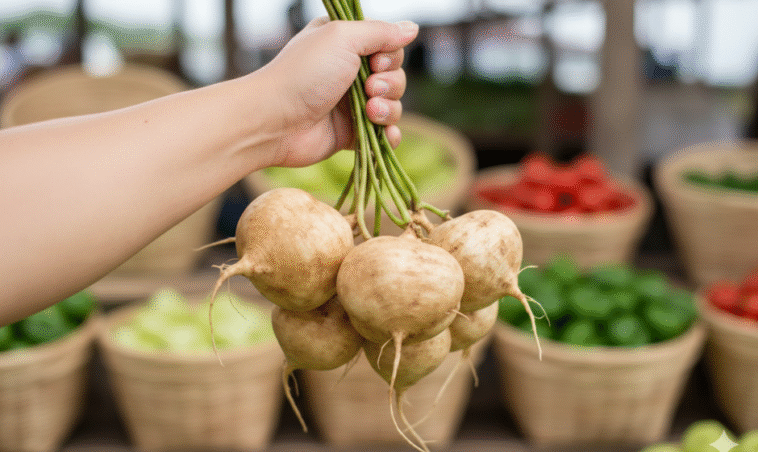
If you’ve ever searched for a refreshing, crunchy snack, jicama may be the answer. This slightly sweet, low-calorie root vegetable often called the “Mexican turnip” has become popular in health-conscious kitchens worldwide. But what is jicama, and how can you use it beyond simple snacking?
Jicama is more than just a crunchy treat. Its subtle sweetness makes it perfect for jicama sticks, refreshing salads, or even creative versions of Mexican snacks. With high fiber content and essential nutrients, it supports digestion while providing a satisfying crunch in every bite. In this guide, we’ll explore everything from identifying the jicama fruit to preparation tips, easy recipes, and tasty snack ideas.
Whether you’re a beginner curious about trying jicama or an experienced cook looking for inspiration, this article delivers a complete guide on using jicama in everyday meals and snacks.
What Is Jicama Fruit?
Jicama is a root vegetable native to Mexico and Central America. Despite often being called a fruit due to its sweet flavor, it is botanically a tuber, closely related to beans.
Nutritional Benefits of Jicama fruit:
- High in dietary fiber, promoting digestive health.
- Low in calories, ideal for weight-conscious diets.
- Rich in vitamin C, supporting immunity.
- Contains antioxidants for cellular health.
Jicama’s crisp texture and mildly sweet flavor make it a versatile ingredient. Its unique crunch remains even when cooked lightly, making it a favorite for fresh salads and cold dishes.
Pro Tip: Choose jicama with firm skin and no soft spots. Avoid roots that feel overly dry or shriveled.
How to Prepare Jicama
Preparing jicama is simple:
- Wash the skin thoroughly.
- Peel the tough outer layer using a vegetable peeler or sharp knife.
- Slice or dice depending on your recipe: sticks for dipping, cubes for salads, or thin rounds for chips.
- Optional: Toss with lime juice to prevent browning and add flavor.
Quick Note: Jicama is best eaten raw or lightly cooked to retain crunch. Overcooking can result in a mushy texture.
Tasty Jicama Snack Ideas
1. Jicama Sticks with Lime & Chili
- Cut jicama into sticks.
- Sprinkle it with lime juice, chili powder, and a pinch of salt.
- Enjoy as a refreshing, low-calorie snack.
Micro Tip: Store leftover sticks in an airtight container with lime juice to prevent discoloration.
2. Jicama Salad
- Combine diced jicama with cucumber, bell pepper, and mango.
- Dress with lime juice, olive oil, and a touch of honey.
- Optional: Add chili flakes for a zesty kick.
This jicama salad is perfect for picnics, potlucks, or a light lunch.
3. Jicama Chips
- Thinly slice jicama into rounds.
- Toss with olive oil, salt, and your favorite spices.
- Bake at 375°F (190°C) for 25–30 minutes until crisp.
Pro Tip: Jicama chips are a healthier alternative to potato chips with fewer calories and more fiber.
4. Jicama Tacos
- Use thinly sliced jicama as a crunchy base or topping for tacos.
- Pairs well with grilled fish, chicken, or avocado.
Case Note: In a nutrition study, swapping tortilla chips for jicama slices reduced calorie intake while maintaining satisfaction in participants.
Jicama in Mexican Cuisine
Jicama has a rich history in Mexican cuisine and is featured in many traditional snacks:
- Esquites de Jicama: Diced jicama with lime, chili powder, and cheese.
- Jicama Fruit Cups: Mixed fruits with jicama, lime, and chili, a popular street snack.
- Tostadas & Salsas: Adds crunch to traditional dishes.
Its natural sweetness balances spicy, salty, and tangy flavors, making it ideal for authentic Mexican snacks.
Health Benefits of Jicama
- Supports Digestive Health: High fiber content aids bowel regularity.
- Weight Management: Low-calorie content makes it a guilt-free snack.
- Hydration: Over 85% water content helps keep the body hydrated.
- Blood Sugar Control: Contains inulin, a prebiotic fiber supporting gut health and stable blood sugar.
Practical Tip: Incorporate jicama into breakfast bowls or afternoon snacks to boost fiber intake without adding many calories.
Jicama Storage Tips
- Store whole jicama in a cool, dry place for up to 2–3 weeks.
- Peeled or cut jicama should be refrigerated in an airtight container, lasting up to a week.
- Avoid prolonged exposure to air to prevent drying or browning.
Pro Tip: For long-term use, consider freezing diced jicama in water, although texture may slightly soften after thawing.
Common Pitfalls When Using Jicama
- Not peeling properly: The outer layer is tough and fibrous.
- Overcooking: Jicama loses crunch and becomes mushy.
- Ignoring seasoning: Its mild flavor benefits from lime, chili, or herbs.
By avoiding these mistakes, jicama retains its signature crispness and taste.
Creative Jicama Recipes
- Jicama Slaw: Mix shredded jicama with carrots, cabbage, and a light vinaigrette.
- Fruit & Jicama Parfait: Layer diced jicama with berries and yogurt for a refreshing snack.
- Jicama Spring Rolls: Combine jicama with fresh herbs, lettuce, and shrimp in rice paper wraps.
- Spicy Jicama Fries: Toss sticks with paprika, garlic powder, and chili, then bake for a crunchy side dish.
Mini Summary: Jicama’s versatility allows it to serve as the base for fresh, crunchy salads, healthy snack sticks, or baked chip alternatives, making it an indispensable ingredient in modern, health-conscious kitchens.
Conclusion
Jicama fruit is more than just a crunchy snack; it’s a nutrient-rich, versatile root vegetable with applications ranging from Mexican snacks to healthy salads and creative desserts. Understanding what jicama is, how to prepare it safely, and experimenting with ideas like jicama sticks or jicama salads opens up endless culinary possibilities.
Whether you’re looking for low-calorie snacks, refreshing salads, or an authentic touch in Mexican-inspired dishes, jicama offers a perfect combination of sweet, crisp, and nutritious benefits. By following preparation tips, storage advice, and creative recipes in this guide, you can make jicama a staple in your everyday diet and snack repertoire.
FAQs
Q1: What is jicama fruit, and why is it called a fruit?
Jicama is a root vegetable native to Mexico. It’s often called a fruit due to its sweet flavor, but it is botanically a tuber.
Q2: How do I prepare jicama sticks?
Peel the jicama, cut into sticks, and enjoy raw with lime, chili, or dips. They make a crunchy, healthy snack.
Q3: Can jicama fruit be used in salads?
Yes. Diced jicama adds crunch and mild sweetness to salads, pairing well with fruits, vegetables, and dressings.
Q4: What are some popular Mexican snacks using jicama?
Jicama cups with lime and chili, esquites de jicama, and jicama-topped tostadas are common examples.
Q5: Is jicama healthy?
Absolutely. It’s low in calories, high in fiber, and rich in vitamin C and antioxidants.
Q6: How long does jicama last?
Whole jicama lasts 2–3 weeks at room temperature; peeled or cut jicama lasts up to a week refrigerated.
Q7: Can jicama be cooked?
Yes, but light cooking is best to retain its crisp texture. Overcooking can make it mushy.