

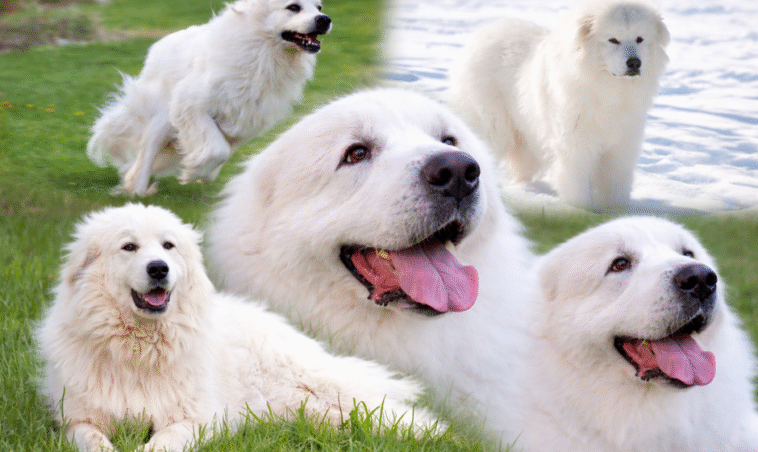
If you’re considering bringing a great pyrenees into your home, you’re likely drawn to their majestic appearance and calm, noble personality. But owning this gentle giant is not just about admiring its beauty—it’s about understanding its unique needs, instincts, and behavior patterns.
The Great Pyrenees is not your typical family dog. Originally bred as a livestock guardian dog, this breed carries centuries of protective instincts, independence, and resilience. While they can be incredibly loyal and loving companions, they also require the right environment, training approach, and commitment.
In this comprehensive guide, you’ll learn everything about great pyrenees temperament, care requirements, training strategies, and real-life considerations. Whether you’re a first-time dog owner or an experienced handler, this article will help you decide if this breed truly fits your lifestyle—and how to raise a happy, healthy Pyrenees.
Great Pyrenees Overview: History and Origin
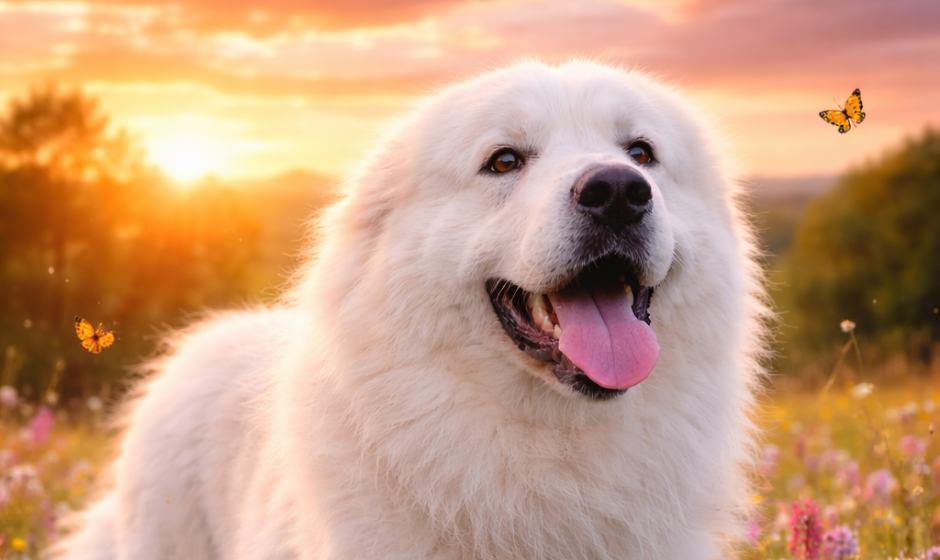
The great pyrenees dog has a rich history dating back thousands of years. Originating in the Pyrenees Mountains between France and Spain, these dogs were bred to guard sheep from predators like wolves and bears.
Ancient Roots and Purpose
Unlike companion breeds, white dog was developed for independence. Shepherds relied on them to make decisions on their own, often working overnight without human supervision.
This explains many of their modern traits:
- Strong protective instincts
- Independent thinking
- Low reactivity but high alertness
Transition to Family Companion
Today, while many still work as a livestock guardian dog, they are also popular as family pets. However, their original purpose still shapes their behavior, which can surprise unprepared owners.
Great Pyrenees Size and Physical Traits
The white dog is a large, powerful breed:
- Males: 100–160 pounds
- Females: 85–115 pounds
- Height: 25–32 inches
Their size alone makes them a commitment—both physically and financially.
Distinctive Appearance
They are known for:
- Thick white double coat
- Dark almond-shaped eyes
- Feathered tail
- Strong, muscular build
Their coat is not just for looks—it protects them from harsh mountain climates.
Practical Insight
Many new owners underestimate space needs. A small apartment can work only if you provide consistent outdoor exercise. Otherwise, expect restlessness and behavioral issues.
Discover the low taper fade haircut, how to style it, and why it’s trending. Simple tips to get a sharp, fresh look that suits any face shape.
Great Pyrenees Temperament: What to Expect
Calm and Gentle Nature
Despite their size, they are incredibly gentle with:
- Children
- Smaller animals
- Family members
They are often called “gentle giants” for a reason.
Protective Instincts
Their guarding instinct is strong:
- They will bark to alert
- They may act territorial
- They instinctively protect “their” family
This can be both a benefit and a challenge.
Independent Personality
Unlike breeds eager to please,
- Think for themselves
- May ignore commands
- Prefer autonomy
Real-Life Example
A common scenario: you call your Pyrenees to come inside, and they simply sit and watch you. This isn’t disobedience—it’s independent decision-making.
Is a Great Pyrenees Right for You?
Before committing, evaluate your lifestyle honestly.
Ideal Owners
A white dog suits:
- Families with large spaces
- Experienced dog owners
- People who value calm companionship
Not Ideal For
They may struggle in:
- Small apartments without outdoor access
- Busy urban environments
- Homes needing a highly obedient dog
Key Considerations
- They bark frequently, especially at night
- They shed heavily year-round
- They require patience, not forceful training
Great Pyrenees Care: Daily Needs and Maintenance
Proper white dog care ensures long-term health and happiness.
Feeding Requirements
Due to their size:
- High-quality large-breed dog food is essential
- Adult dogs eat 3–5 cups daily
- Puppies need controlled feeding to avoid rapid growth
Exercise Needs
They are not hyperactive but still need:
- 30–60 minutes of daily activity
- Secure outdoor space
- Mental stimulation
Grooming Routine
Their thick coat requires:
- Brushing 2–3 times weekly
- Daily brushing during shedding season
- Occasional baths
Time Investment Insight
Expect at least 3–4 hours per week for grooming during heavy shedding periods.
Training a Great Pyrenees: What Works and What Doesn’t
Understanding white dog Training
Training a white dog is about cooperation, not control.
Effective Training Methods
- Positive reinforcement
- Consistency and patience
- Early socialization
Common Mistakes
Avoid:
- Harsh discipline
- Repetitive commands
- Expecting instant obedience
Step-by-Step Training Approach
- Start with basic commands early
- Reward desired behavior immediately
- Keep sessions short (10–15 minutes)
- Be consistent with rules
Micro Case Study
An owner who used strict commands saw resistance. Switching to reward-based training improved responsiveness within 3 weeks.
Health and Great Pyrenees Lifespan
Great Pyrenees Lifespan
Typically, they live:
- 10–12 years
Common Health Issues
- Hip dysplasia
- Bloat (gastric torsion)
- Patellar luxation
Preventive Care Tips
- Regular vet checkups
- Controlled diet
- Avoid intense exercise after meals
Cost Insight
Annual medical costs can range from $500–$1500 depending on health conditions.
Living With a Great Pyrenees: Daily Reality
Barking Behavior
They are naturally vocal:
- Bark at perceived threats
- More active at night
This can be challenging in urban areas.
Interaction With Children and Pets
They are:
- Patient with kids
- Protective but gentle
- Compatible with other animals (if socialized early)
Space and Environment Needs
Best suited for:
- Homes with yards
- Rural or suburban settings
Great Pyrenees Puppies: What to Know Before Buying
Choosing the Right Puppy
Look for:
- Reputable breeders
- Health certifications
- Early socialization
Initial Costs
Expect:
- $1000–$3000 for puppies
- Additional setup costs (beds, food, vet visits)
Early Training Importance
The first 6 months shape:
- Behavior
- Social skills
- Obedience levels
Pros and Cons of Owning a Great Pyrenees
Pros
- Loyal and protective
- Gentle with families
- Low aggression
Cons
- Heavy shedding
- Stubborn nature
- Frequent barking
Common Mistakes New Owners Make
Many first-time owners struggle due to unrealistic expectations.
Top Mistakes
- Expecting quick obedience
- Underestimating grooming needs
- Ignoring socialization
How to Avoid Them
- Research thoroughly
- Invest time in training
- Create a structured routine
Why the Great Pyrenees Stands Out Among Large Dog Breeds
The white dog is not just another large dog—it carries a unique blend of elegance, intelligence, and purpose that sets it apart from other giant breeds. Unlike highly energetic dogs that demand constant activity, the white dog is naturally calm and composed. This makes them ideal for families looking for a peaceful yet protective companion. Their ability to remain relaxed indoors while staying alert to their surroundings is a rare combination that many dog owners truly appreciate.
Another standout quality is their strong sense of responsibility. As a traditional livestock guardian dog, the white dog doesn’t rely on commands alone—it assesses situations independently and reacts accordingly. This means they often act before you even realize there’s a potential issue. While this independence can be challenging during training, it also makes them incredibly reliable protectors who form deep emotional bonds with their family.
Finally, their adaptability across different roles adds to their appeal. Whether living on a farm, guarding property, or simply being a loyal household pet, the white dog adjusts to its environment with the right guidance. However, this versatility comes with responsibility—owners must understand their instincts and provide proper structure. When raised correctly, this breed offers not just companionship, but a sense of security and unwavering loyalty that few other breeds can match.
Mini Summary Before Conclusion
The white dog is a majestic, intelligent, and protective breed that thrives in the right environment. While they are loving and loyal, they are not low-maintenance pets.
Success with this breed depends on:
- Understanding their independent nature
- Providing proper training and care
- Matching their needs with your lifestyle
Conclusion
Owning a white dog can be one of the most rewarding experiences—if you’re prepared for the responsibility. These dogs offer unmatched loyalty, calm companionship, and natural protection, making them ideal for families who appreciate their unique qualities.
However, they are not for everyone. Their independence, grooming needs, and barking tendencies require patience and commitment. By understanding their temperament and care requirements, you can build a strong, trusting bond with this remarkable breed.
If you’re ready to embrace both the challenges and rewards, the white dog could be the perfect addition to your home.
FAQs
1. Is a great pyrenees a good family dog?
Yes, the white dog is excellent with families. They are gentle, protective, and patient with children, making them ideal for households with kids.
2. How difficult is great pyrenees training?
white dog training can be challenging due to their independent nature. They respond best to positive reinforcement and consistent routines.
3. Do great pyrenees bark a lot?
Yes, barking is a natural trait. As a livestock guardian dog, they bark to alert owners of potential threats, especially at night.
4. What is the average great pyrenees lifespan?
The average white dog lifespan is around 10–12 years, depending on health and care.
5. Are great pyrenees good for first-time owners?
They are better suited for experienced owners. First-time owners may find their independence and training needs challenging.
6. How much grooming does a white dog need?
They require regular grooming, including brushing 2–3 times per week and daily during heavy shedding seasons.
7. Can great pyrenees live in apartments?
It is possible but not ideal. They need space and outdoor access to stay happy and healthy.