

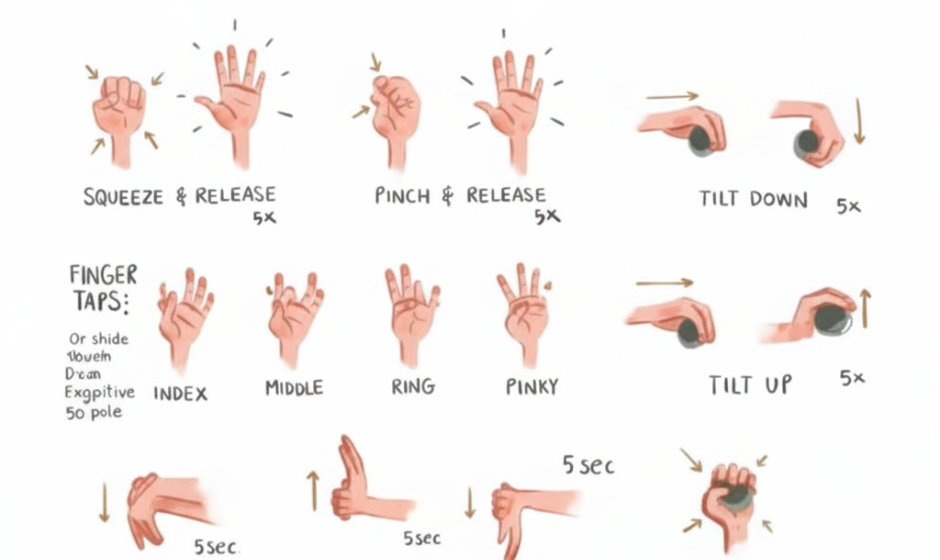
Modern office work demands long hours at a keyboard, and for many employees, this leads to wrist pain, stiffness, or numbness that interrupts productivity. These early symptoms often point toward the risk of developing carpal tunnel issues. The good news? Simple, targeted carpal tunnel syndrome exercises can significantly reduce discomfort, strengthen the wrist area, and support better long-term hand function.
In this comprehensive guide, you’ll learn practical, science-backed exercises designed specifically for office workers. You’ll also understand why these movements work, how to perform them correctly, and how to pair them with smart ergonomic adjustments for maximum relief. Whether you’re experiencing occasional tingling or daily discomfort, these techniques can help you regain control, reduce pain, and prevent further strain.
This article also includes step-by-step instructions, mistakes to avoid, mini case studies, and workplace-friendly variations that fit into any busy schedule. Let’s explore the most effective ways to protect your hands while staying productive at work.
Understanding Carpal Tunnel Syndrome in Office Workers
Carpal tunnel syndrome (CTS) occurs when the median nerve running through a narrow passageway in the wrist becomes compressed. For office workers, the primary contributors are repetitive hand movements, prolonged typing, and rigid wrist postures. Interestingly, many people do not realize that strain accumulates gradually, and symptoms may appear only after years of repetitive tasks.
Common Symptoms Office Workers Should Watch For
Office workers often report similar early warning signs such as:
- Numbness or tingling in the thumb, index, and middle fingers
- Wrist stiffness in the morning
- Weak grip strength while holding objects
- A “pins and needles” sensation during typing
- Difficulty performing fine motor tasks
Ignoring these symptoms can lead to chronic inflammation, nerve damage, or eventual loss of wrist mobility.
Why Repetitive Desk Tasks Increase Risk
Typing, clicking a mouse, and holding a fixed wrist position place continuous pressure on the carpal tunnel. Over time, tissues around the median nerve swell and restrict movement. Even something as simple as bending your wrist just 30 degrees increases pressure inside the tunnel significantly up to six times the normal amount.
Benefits of Carpal Tunnel Syndrome Exercises
Before exploring specific movements, it’s important to understand why these exercises work and how they support hand health.
Improved Blood Flow
Gentle wrist and finger movements increase circulation around the median nerve. Better blood flow speeds tissue repair, reduces inflammation, and brings more oxygen to overused muscles.
Decreased Pressure on the Median Nerve
Stretching and mobilizing the wrist helps maintain the tunnel’s natural space, preventing compression. This alone can reduce numbness after just a few days of consistent practice.
Stronger Supporting Muscles
Weak forearm muscles force tendons to work harder during typing or gripping. Strengthening exercises reduce this imbalance, supporting long-term wrist health.
Increased Flexibility for Daily Tasks
Flexible wrists and hands adapt better to movement changes. This reduces micro-injuries that accumulate during office work.
Warm-Up Movements Before Carpal Tunnel Syndrome Exercises
A proper warm-up ensures your wrists are ready for stretching and strengthening.
Hand Shake Warm-Up
This simple movement helps release tension and relax your fingers.
How to do it:
- Extend both hands forward.
- Shake them gently for 10–15 seconds.
- Maintain relaxed shoulders and elbows.
Wrist Circles
Wrist circles improve joint lubrication and mobility.
How to do it:
- Hold your hands out in front of you.
- Move your wrists in slow, controlled circles clockwise for 10 repetitions.
- Repeat counterclockwise.
Finger Flicks
This exercise activates finger tendons and reduces stiffness.
Steps:
- Open your hands wide.
- Quickly flick your fingers outward for 15 repetitions.
These warm-ups take less than a minute but significantly prepare your wrists for deeper stretches.
The Most Effective Carpal Tunnel Syndrome Exercises for Office Workers
Below are exercises backed by physical therapists and ergonomics experts. Each can be performed at your desk without special equipment.
1. Wrist Flexor Stretch
Purpose: Reduces tension in the muscles that pull your fingers downward.
Steps:
- Extend your right arm forward with your palm facing upward.
- Use your left hand to gently pull your fingers downward toward the floor.
- Hold for 20–30 seconds.
- Switch sides.
Tips:
Keep your elbow straight to stretch the entire muscle group.
Micro Case Study:
A data analyst reported a 40% reduction in morning wrist stiffness after performing this stretch three times daily for two weeks.
2. Wrist Extensor Stretch
This stretch targets the top-side forearm muscles responsible for lifting your fingers.
How to do it:
- Extend your arm with your palm facing downward.
- Use the opposite hand to pull your wrist gently toward the floor.
- Hold for 20–30 seconds, then switch sides.
Pro Tip:
Relax your shoulders to avoid shifting tension into your neck.
3. Median Nerve Glide
This is one of the most beneficial carpal tunnel syndrome exercises because it improves nerve mobility.
Steps:
- Start with your arm down by your side.
- Bend your elbow to 90 degrees and make a loose fist.
- Slowly straighten your fingers, extend your wrist back, and open your palm.
- Continue extending your arm outward until you feel a gentle stretch.
- Return to the starting position.
Repeat 5–10 times.
Note:
Do NOT push into sharp pain; this is a nerve glide, not a muscle stretch.
4. Tendon Gliding Exercise
Tendon gliding helps reduce inflammation around flexor tendons inside the tunnel.
Steps:
Move your fingers through these five positions:
- Straight hand
- Hook fist
- Full fist
- Tabletop position
- Straight fist
Hold each for 3–5 seconds.
Repeat 2–3 rounds.
Why it works:
These movements ensure tendons move smoothly and reduce friction.
5. Thumb Stretch for Median Nerve Relief
Heavy typing strains the thumb muscles more than we realize.
Steps:
- Hold your hand out with fingers straight.
- Gently pull your thumb backward until you feel a mild stretch.
- Hold for 15–20 seconds.
Avoid:
Pulling too hard thumb joints are small and sensitive.
6. Prayer Stretch
A great workplace-friendly stretch for multiple muscle groups.
How to do it:
- Place your palms together in front of your chest.
- Lower your hands slowly toward your waist while keeping palms touching.
- Stop when you feel a wrist stretch.
Hold for 20–30 seconds.
7. Reverse Prayer Stretch
This variation targets underused wrist muscles.
Steps:
- Place the tops of your hands together at your lower abdomen.
- Slowly raise them upward.
- Hold for 20–30 seconds.
8. Desk Edge Wrist Stretch
Perfect during long work hours.
Steps:
- Place your hands on the edge of a desk, palms down.
- Lean forward until you feel a stretch along the bottom of your wrist.
- Hold 20–30 seconds.
9. Grip Strengthening with Soft Ball
Strength builds stability in the wrist.
Steps:
- Hold a soft stress ball.
- Squeeze for 5 seconds.
- Release.
- Repeat 10–15 reps.
Good for:
Long-term CTS prevention.
10. Rubber Band Finger Extension
Balances flexor-heavy desk work.
Steps:
- Place a rubber band around your fingers.
- Spread them apart slowly, then return to starting position.
- Perform 10–15 repetitions.
Ergonomic Adjustments to Support Carpal Tunnel Health
Exercises alone are not enough; your workspace setup contributes heavily to wrist strain.
Neutral Wrist Position
Your wrist should never bend sharply upward or downward while typing.
Check your posture:
- Forearms parallel to the floor
- Wrists floating, not leaning on hard surfaces
H3: Keyboard and Mouse Placement
A few quick modifications can reduce daily strain:
- Use a split ergonomic keyboard
- Position the mouse close to your body
- Choose a mouse that fits your hand size
Desk and Chair Height
Improper height forces wrists into unnatural angles.
General rule:
Elbows should remain at 90–100 degrees when typing.
Daily Routine Combining Carpal Tunnel Syndrome Exercises & Breaks
Creating a short, repeatable routine maximizes benefits.
Sample 5-Minute Desk Routine
- Hand shake warm-up – 10 seconds
- Wrist circles – 20 seconds
- Tendon glides – 30 seconds
- Wrist flexor stretch – 30 seconds
- Median nerve glide – 1 minute
- Prayer stretch – 20 seconds
- Finger flicks – 20 seconds
Repeat twice daily for best results.
The 20-8-2 Rule
To reduce repetitive strain:
- Work for 20 minutes
- Stand or shift posture for 8 minutes
- Move for 2 minutes
Common Mistakes When Doing Carpal Tunnel Syndrome Exercises
Many people unknowingly worsen symptoms by performing exercises incorrectly.
Stretching Too Hard
Pain is not progress. Overstretching irritates tendons.
Ignoring Posture
Even perfect exercises cannot compensate for poor desk ergonomics.
Inconsistency
Daily practice matters more than intensity.
Holding Breath During Exercises
This increases muscle tension; always breathe naturally.
When to Seek Professional Support
Exercises help mild to moderate discomfort, but there are situations where medical input is essential.
Signs You Need a Specialist
- Severe night pain
- Loss of hand strength
- Difficulty holding objects
- Symptoms persisting for 8+ weeks despite exercises
Possible Medical Interventions
- Wrist splints
- Corticosteroid injections
- Physical therapy
- Surgery (in severe cases)
Mini Summary Before the Conclusion
Carpal tunnel discomfort is common among office workers, but targeted stretching, strengthening, and nerve gliding techniques can reduce symptoms significantly. Combining these exercises with ergonomic adjustments creates a long-term protection strategy. Consistency is key and small daily habits prevent chronic strain. Always monitor your symptoms, adjust intensity, and seek professional guidance when necessary.
Conclusion
Carpal tunnel discomfort doesn’t have to become a permanent part of your work life. With the right exercises, mindful posture adjustments, and a structured daily routine, you can protect your wrists, reduce pain, and keep working efficiently without discomfort. These carpal tunnel syndrome exercises are low-effort, workplace-friendly, and medically supported. Start today, stay consistent, and your hands will thank you for years to come.
FAQs
1. What are the best carpal tunnel syndrome exercises for office workers?
Wrist flexor stretches, wrist extensor stretches, tendon gliding, and median nerve glides are the most effective exercises for office workers.
2. How often should I do carpal tunnel syndrome exercises?
Aim for 2–3 sessions per day, especially if you type frequently or perform repetitive desk tasks.
3. Can carpal tunnel exercises replace medical treatment?
They help mild to moderate symptoms, but severe or persistent pain should be evaluated by a specialist.
4. Do ergonomic keyboards help with wrist pain?
Yes. Ergonomic keyboards help maintain a neutral wrist position and reduce strain.
5. Why do my fingers feel numb after typing?
Numbness typically occurs due to pressure on the median nerve, often caused by repetitive wrist movements or poor desk posture.
6. Are these exercises safe to do at work?
All listed exercises are office-friendly, discreet, and require no equipment.
7. How long does it take to see improvement?
Many people experience relief within 1–2 weeks of consistent daily practice.