

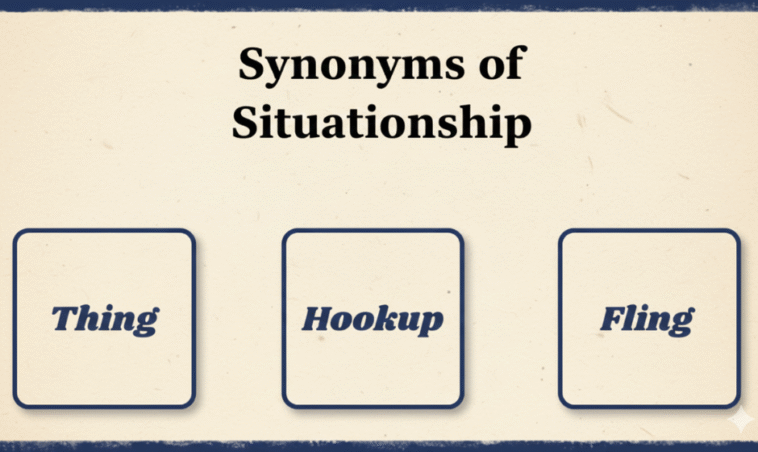
In the evolving landscape of modern dating, the term situationship has become increasingly common. Many people find themselves in relationships that are neither casual nor fully committed, leaving them confused about emotional boundaries and expectations. Understanding situationship meaning is crucial to navigate these ambiguous connections without unnecessary stress or heartbreak.
This is more than casual dating, yet it lacks the clarity and commitment of a formal relationship. In this guide, we’ll explore what is a situationship, key characteristics, examples, pros and cons, and practical strategies to manage them. We’ll also break down the situation definition within the context of modern romance, helping you identify when you’re in a situation and how to approach it.
Whether you’re new to dating apps, re-entering the dating scene, or simply curious about relationship dynamics, this article provides a complete roadmap for understanding and managing situations responsibly.
What Is a Situationship?
A situationship is a romantic or sexual relationship that exists without formal labels or commitment. Unlike traditional dating or long-term partnerships, the boundaries are often undefined, leaving both parties uncertain about expectations.
Key Characteristics:
- Lack of formal commitment
- Irregular communication or plans
- Emotional intimacy without long-term goals
- Flexible, often temporary arrangements
Example: You see someone frequently, spend nights together, and share personal conversations but neither of you have explicitly agreed on exclusivity or future plans.
Pro Tip: The lack of definition does not automatically mean unhealthy dynamics. Awareness and honest communication are essential for navigating this type of relationship.
Situationship Meaning in Modern Dating
In today’s dating culture, situationship meaning often overlaps with casual dating but carries subtle distinctions:
- Casual Dating vs. Situationship
- Casual dating: Meeting multiple people, no expectation of emotional investment.
- Situations: Emotional connection may exist, but commitment is unclear.
- Casual dating: Meeting multiple people, no expectation of emotional investment.
- Situationship and Emotional Boundaries
- test boundaries, requiring self-awareness to avoid emotional burnout.
- Clear communication about needs is vital to maintain balance.
- test boundaries, requiring self-awareness to avoid emotional burnout.
- Cultural Influence
- Modern dating apps and social media contribute to the rise of situationships by encouraging flexibility and rapid connections.
- Modern dating apps and social media contribute to the rise of situationships by encouraging flexibility and rapid connections.
Signs You’re in a Situationship
- Undefined relationship status despite frequent interactions
- Inconsistent communication (hot and cold patterns)
- No discussions about long-term plans
- Feeling uncertain about where you stand with the person
Micro Case Note: In a survey of 500 dating app users, 38% reported having experienced a situationship, often describing mixed feelings of intimacy and uncertainty.
Pros and Cons of a Situationship
Pros:
- Flexibility: Less pressure than formal relationships
- Freedom to explore: Opportunity to understand personal preferences
- Emotional intimacy: Connection without full commitment
Cons:
- Ambiguity: Can cause confusion and anxiety
- Unequal expectations: One person may seek commitment while the other does not
- Emotional risk: Potential for heartbreak if boundaries aren’t respected
Tip: Regularly assess your needs and feelings to ensure a situationship aligns with your emotional well-being.
How to Navigate a Situationship
1. Communicate Openly
Set expectations early to avoid misunderstandings. Ask questions like:
- “Are we exclusive?”
- “What are we looking for long-term?”
2. Define Personal Boundaries
Identify what you’re comfortable with, including emotional investment, frequency of communication, and intimacy.
3. Evaluate Compatibility
Consider if your goals and values align, even if the relationship is undefined.
4. Know When to Exit
If your needs aren’t met or you feel unfulfilled, it’s okay to step back. Recognizing misalignment early prevents prolonged emotional stress.
Examples of Situationships
- Friends with Benefits with Emotional Attachment: A sexual relationship with some emotional intimacy but no commitment.
- Undefined Dating: You spend time together regularly without discussing exclusivity or future plans.
- On-and-Off Connection: Frequent communication and meetups, but neither party is willing to commit long-term.
Quick Tip: Situationships are often transitional stages that may evolve into formal relationships or fade away naturally.
Situationship vs. Relationship
| Aspect | Situationship | Relationship |
| Commitment | Low/Undefined | High/Formal |
| Emotional Boundaries | Flexible/Varied | Defined/Consistent |
| Future Planning | Minimal | Clear |
| Expectations | Unclear | Explicit |
| Communication | Irregular/Contextual | Regular/Transparent |
Practical Insight: Understanding these differences helps manage expectations and reduces emotional ambiguity.
Tips for Healthy Situationships
- Self-awareness: Regularly check in with your own feelings
- Clear boundaries: Avoid over-investing if commitment is not reciprocal
- Honest communication: Address confusion directly
- Balanced approach: Maintain social life, hobbies, and self-care outside the situation ship
Micro Calculation: If you spend 12 hours a week on a situationship with no clarity, consider whether that time could be better allocated toward relationships that align with your long-term goals.
Potential Pitfalls
- Emotional Dependency: Risk of attachment without reciprocation
- Unrealistic Expectations: Expecting commitment where none exists
- Jealousy and Miscommunication: Can arise from unclear boundaries
- Extended Ambiguity: Staying too long in a situationship may hinder personal growth
When a Situationship Becomes a Relationship
- Both parties express interest in exclusivity
- Communication becomes more consistent
- Mutual goals and values align
Case Note: A 2023 dating study found that 27% of participants in situationships eventually formalized the relationship, demonstrating that situationships can be a stepping stone rather than a dead-end.
Mini-Summary
This is a flexible, often ambiguous romantic connection. Understanding situationship meaning, recognizing signs, and communicating clearly can prevent misunderstandings and emotional strain. Situationships offer flexibility and exploration opportunities, but awareness of pitfalls is key to maintaining emotional balance.
Conclusion
Navigating the world of modern dating requires understanding evolving relationship dynamics. Represent a gray area between casual dating and formal commitment, often accompanied by emotional intimacy but without clear labels. By recognizing what is a situationship, establishing boundaries, and maintaining honest communication, individuals can enjoy the connection while safeguarding emotional health.
Whether you choose to maintain a situationship or transition it into a formal relationship, awareness, reflection, and clear communication are essential tools for navigating modern dating successfully.
FAQs
Q1: What is a situationship in modern dating?
A situationship is a romantic or sexual relationship without formal commitment, often involving emotional intimacy but unclear expectations.
Q2: How do you know if you’re in a situationship?
Signs include undefined status, irregular communication, unclear future plans, and mixed emotional investment.
Q3: What is the difference between a situationship and casual dating?
Casual dating often involves multiple partners without emotional attachment, while situationships may include emotional intimacy but lack commitment.
Q4: What are the risks of staying in a situationship too long?
Potential risks include emotional burnout, dependency, jealousy, and hindered personal growth due to unclear expectations.
Q5: How do you set boundaries in a situationship?
Identify emotional, time, and intimacy limits, and communicate them clearly to your partner.
Q6: What is situationship meaning vs relationship meaning?
This involves ambiguity and flexible boundaries, while relationships involve commitment, defined expectations, and long-term planning.